
Unlocking the Potential of CBG: The “Mother” Cannabinoid Explained

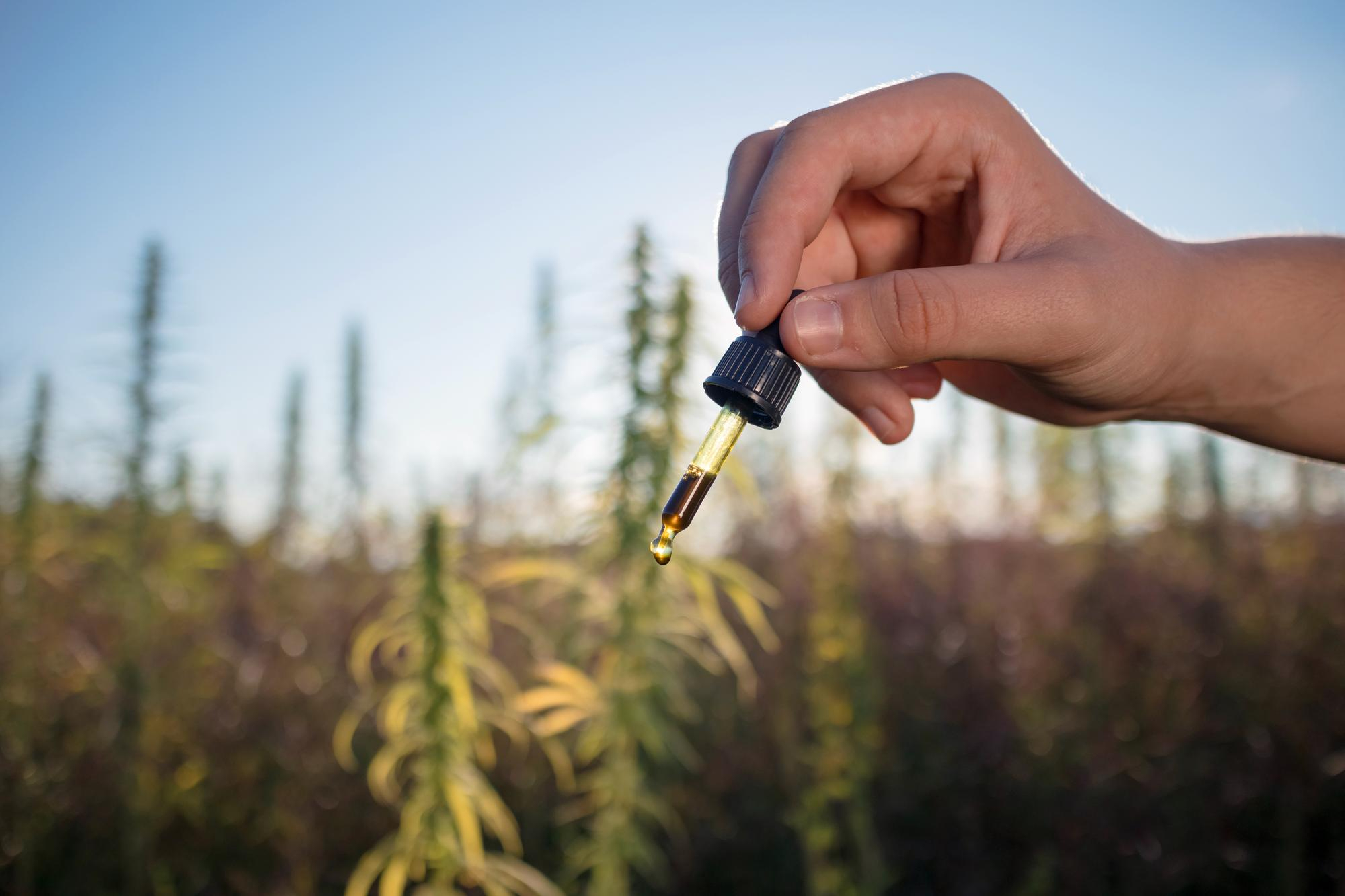
While CBD and THC often dominate the conversation around hemp, a lesser-known compound is rapidly gaining attention in the wellness world: Cannabigerol, or CBG. Often referred to as the “mother of all cannabinoids,” CBG serves as the fundamental building block from which other well-known cannabinoids evolve.
As research into hemp expands, experts and consumers alike are taking a closer look at this unique compound. Below is a comprehensive guide to understanding what CBG is, how it functions in the body, and the potential benefits it may offer.
What Exactly is CBG?
Cannabigerol (CBG) is a naturally occurring compound found in the hemp plant. Like CBD, it is non-psychoactive, meaning it will not produce the intoxicating “high” associated with THC.
Its nickname, the “mother of all cannabinoids,” stems from its biological origins. In the early stages of a hemp plant’s life, the compound exists as Cannabigerolic Acid (CBGA). As the plant matures and is exposed to sunlight and heat, CBGA breaks down and converts into other cannabinoids, such as CBD and THC. By the time a hemp plant is fully harvested, very little CBG typically remains—often less than 1% of the plant’s total cannabinoid profile.
How CBG Interacts with the Body
To grasp the effects of CBG, it is helpful to understand the Endocannabinoid System (ECS). This complex network of cell signals helps regulate vital bodily functions to maintain homeostasis, or internal balance.
CBG interacts with the ECS differently than its counterparts. While some cannabinoids influence the system indirectly, CBG is unique because it binds directly to both CB1 and CB2 receptors. Because these receptors are found throughout the nervous and immune systems, this direct binding suggests that CBG may have a more direct influence on certain physiological processes, though scientific research is still working to understand the full scope of these interactions.
CBG vs. CBD: Key Differences
Although they share a common origin, CBG and CBD are distinct in several ways:
Plant Maturity: CBD is most abundant in fully mature hemp plants. In contrast, CBG is found in peak concentrations in young, immature hemp plants before it converts into other compounds.
Receptor Activity: CBD generally interacts with the ECS indirectly. CBG, however, attaches directly to the system’s primary receptors (CB1 and CB2).
Scientific Backing: CBD has been studied extensively for years. CBG research is still in its infancy, meaning there is less data available, though interest is growing rapidly.
Potential Wellness Benefits of CBG
While clinical trials are still ongoing, early studies and anecdotal reports suggest several promising areas where CBG may be beneficial:
1. Digestive Support
Preliminary research points to CBG as a potential ally for gut health. It is believed to help support normal bowel function and maintain overall digestive balance.
2. Neuroprotective Qualities
Scientists are investigating CBG for its potential neuroprotective properties. There is early evidence to suggest it may help support healthy brain function and cellular health.
3. Appetite Stimulation
Unlike some cannabinoids that suppress hunger, CBG has been observed to potentially stimulate appetite. This could be particularly useful for individuals seeking to maintain healthy nutritional habits.
4. Skin Health
The compound is also being explored for topical use. Its properties may assist in maintaining the skin’s natural moisture balance and overall health.
5. Antibacterial Potential
Early laboratory studies have indicated that CBG may possess antibacterial properties, marking it as a subject of interest for future medical research.
How CBG Is Made and Sold
Because CBG naturally converts into other substances as the hemp plant ages, harvesting it is a specialized process. Producers must extract it from young plants to capture high concentrations, making the process more time-sensitive and expensive than producing CBD.
Despite these challenges, CBG is becoming more available to consumers. It is commonly found in:
Oils and Tinctures: For sublingual use.
Capsules: For convenient dosing.
Edibles: Such as gummies.
Topicals: Creams and lotions for skin application.
Hemp Flower: Rich in CBG for smoking or vaping.
Choosing the Right Product
If you are interested in trying CBG, quality assurance is critical. Always look for brands that prioritize transparency by providing:
Third-Party Lab Testing: To verify potency and purity.
Domestic Sourcing: Preferably hemp grown in the USA.
Clear Labeling: Explicitly stating the amount of CBG per serving.
The Future of CBG
As the “mother” of cannabinoids, CBG offers a unique profile that sets it apart from CBD and THC. While it shares the non-intoxicating nature of CBD, its direct interaction with the body’s receptors and unique benefits for gut and brain health make it an exciting frontier in natural wellness. As science continues to uncover its full potential, CBG is likely to become a staple in holistic health routines.
Disclaimer: These statements have not been evaluated by the FDA. This content is for informational purposes only and is not intended to diagnose, treat, cure, or prevent any disease. Always consult your doctor before adding new supplements to your regimen.
 Tinctures
 Salves
 Roll-ons
 Edibles (only availabel online)
 Pets
 Skin Care
 Samples
 Best Sellers