Exploring the Potential Benefits of CBD: A Comprehensive Guide

In recent years, Cannabidiol (CBD) has emerged as a powerhouse in the wellness industry, garnering attention for its versatility and plant-based origins. Extracted from hemp, CBD is celebrated for being non-psychoactive—meaning it does not produce the “high” typically associated with THC (tetrahydrocannabinol). This distinct characteristic allows users to seek natural wellness support without mind-altering effects.
As interest in this compound grows, so does the scientific research surrounding it. While studies are still evolving, many individuals are curious about how CBD works and whether it fits into their lifestyle. This guide breaks down the science, potential benefits, and how to choose the right product for you.
Understanding CBD and the Body
To understand how CBD works, it is important to first look at the Endocannabinoid System (ECS). The ECS is a vast network of receptors and enzymes within the human body responsible for regulating critical functions such as sleep, mood, appetite, and immune response. Its primary goal is to maintain homeostasis, or internal balance.
CBD interacts with the ECS by influencing its receptors—specifically CB1 and CB2 receptors found in the nervous and immune systems. Rather than altering your perception, CBD is believed to assist the ECS in keeping bodily processes balanced and running smoothly.
Top 5 Potential Uses for CBD
Although research is ongoing, anecdotal evidence and preliminary studies point to several promising applications for CBD in daily life:
1. Relaxation and Stress Management
One of the most common reasons people turn to CBD is for its potential calming effects. Research suggests that CBD may interact with serotonin receptors in the brain, which play a key role in mood regulation. For those navigating a hectic lifestyle, CBD may offer a natural way to support a sense of calm and mental clarity during stressful times.
2. Supporting Restful Sleep
Quality sleep is the foundation of good health, yet many struggle to wind down at night. CBD may help promote relaxation, making it easier to fall asleep and stay asleep. Unlike many traditional sleep aids, CBD users often report waking up feeling refreshed rather than groggy.
3. Addressing Physical Discomfort
Whether due to intense exercise or daily wear and tear, physical discomfort is a common complaint. CBD is frequently used to support the body’s natural response to inflammation and aches. By interacting with the ECS, it may serve as a natural alternative for those seeking relief from daily physical stressors.
4. Skincare and Beauty
The benefits of CBD have made their way into the beauty aisle. Known for its potential antioxidant and soothing properties, CBD is increasingly found in creams, balms, and lotions. It may help hydrate dry skin and soothe irritation, making it a valuable addition to skincare routines.
5. Overall Wellness and Balance
For those taking a holistic approach to health, CBD is often viewed as a daily supplement to support general vitality. By aiding the ECS, regular use may help maintain a sense of overall equilibrium, contributing to a feeling of wellness.
How to Select High-Quality CBD Products
With a flooded market, finding the right product can be overwhelming. Here is what to look for:
Spectrum Types: Full-Spectrum vs. Isolate
Full-Spectrum: Contains the full range of cannabinoids and terpenes found in the hemp plant, including trace amounts of THC (less than 0.3%). These compounds work together to create the “entourage effect,” potentially enhancing the benefits.
CBD Isolate: This is pure CBD with all other plant compounds removed. It is an excellent choice for those who want to avoid even trace amounts of THC.
Third-Party Lab Testing
Transparency is key. Reputable brands will always provide third-party lab reports (often called Certificates of Analysis). These documents verify the product’s potency and ensure it is free from harmful contaminants like heavy metals, pesticides, and solvents.
Product Formats
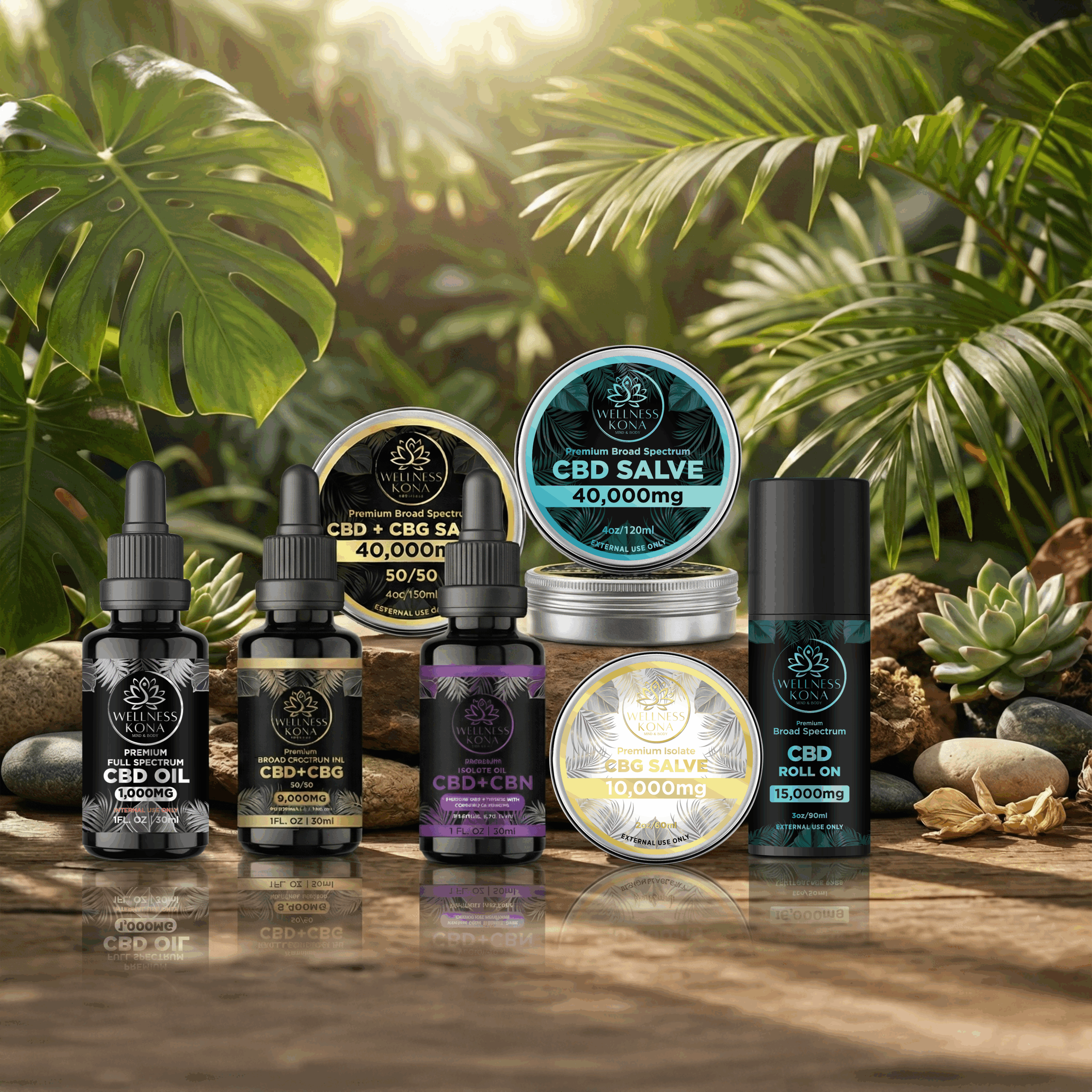
Oils and Tinctures: Taken sublingually (under the tongue) for fast absorption.
Edibles: Gummies and other treats offer a tasty and convenient way to consume CBD.
Topicals: Creams and salves allow for targeted application on specific areas of the skin.
Bath Products: Salts and soaps allow for full-body relaxation through skin absorption.
Safety and Legal Considerations
Is it Safe? CBD is generally regarded as safe and well-tolerated. Most users experience little to no side effects. When side effects do occur, they are typically mild, such as dry mouth or slight drowsiness. As with any supplement, it is recommended to start with a low dose and consult a healthcare professional before starting.
Is it Legal? In the United States, hemp-derived CBD containing less than 0.3% THC is federally legal. However, laws can vary by state, so it is important to check local regulations.
Frequently Asked Questions
Will CBD get me high? No. CBD is non-psychoactive and does not produce a euphoric high.
Is CBD addictive? Current evidence suggests CBD is not addictive and does not lead to dependency.
How long does it take to work? This depends on the method of consumption. Tinctures may work faster than edibles, which must be digested first.
What is the difference between hemp oil and CBD oil? Hemp seed oil comes from the seeds and contains nutrients but no CBD. CBD oil is derived from the plant’s flowers and stalks and is rich in cannabinoids.
Disclaimer: These statements have not been evaluated by the Food and Drug Administration. This product is not intended to diagnose, treat, cure, or prevent any disease. Always consult with a physician before starting a new dietary supplement program, especially if you are pregnant, nursing, or have a medical condition.
 Tinctures
 Salves
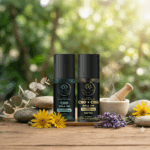 Roll-ons
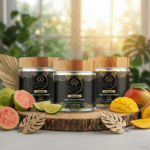 Edibles (only availabel online)
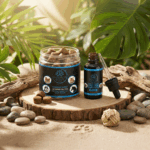 Pets
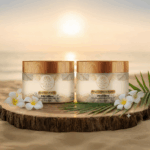 Skin Care
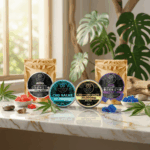 Samples
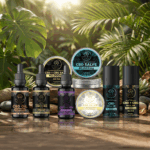 Best Sellers