Red Light Therapy: Modern Miracle

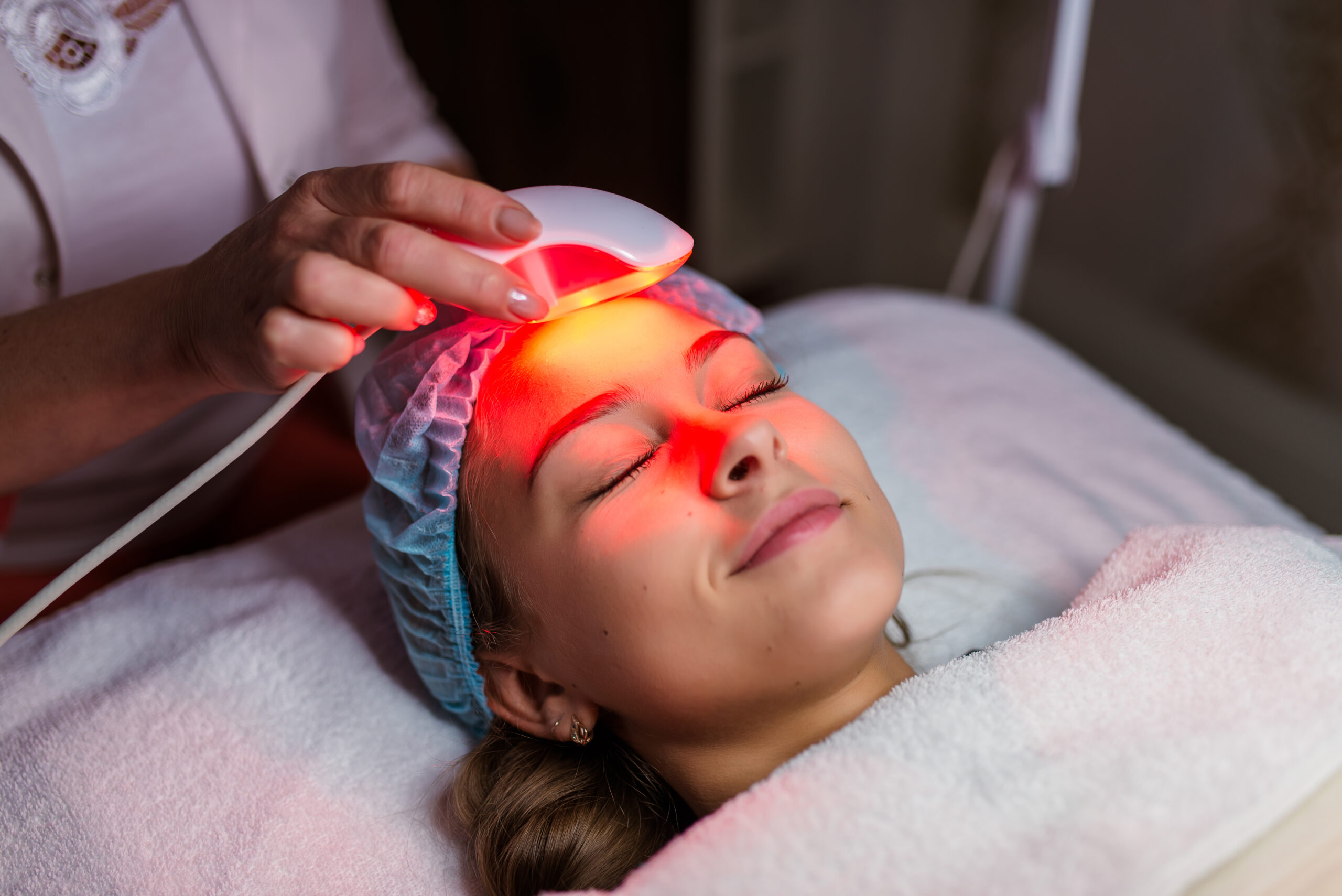
If you’ve scrolled through Instagram lately or walked past a high-end gym, you’ve probably seen it: people bathing in an eerie, crimson glow that looks straight out of a sci-fi movie. It’s not a tanning bed, and it’s definitely not a disco. It’s Red Light Therapy (RLT), and it is currently having a massive moment in the wellness world.
But whenever a new “miracle” treatment pops up, my skeptic radar goes off. Is this just another expensive trend, or is there actually something to it?
After diving into the latest research and expert opinions, here is the human-readable breakdown of what that red glow actually does—and whether it’s worth your time (and money).
The “Battery Charger” for Your Cells
To understand RLT, you have to forget about standard heat lamps. This isn’t about baking your skin; it’s about feeding it.
Think of your cells like microscopic batteries. When they get tired or stressed (from aging, injury, or just a hard week), their energy levels drop. The science—which, fun fact, dates back to NASA experiments in the 90s—suggests that specific wavelengths of red and near-infrared light act like a charger for these cellular batteries.
Technically speaking, the light stimulates your mitochondria (the powerhouse of the cell) to produce more ATP (energy). When your cells have more energy, they can do their jobs better—whether that’s repairing skin, fighting inflammation, or recovering from a marathon.
The Big Three: Why People Are Doing It
While the list of potential benefits is long, most people flock to RLT for three main reasons:
1. The Glow-Up (Skin Health) This is usually the gateway for most users. Because red light penetrates the skin’s surface, it wakes up the fibroblast cells responsible for making collagen. More collagen means firmer skin and fewer fine lines. But it’s not just about vanity; it’s also used to speed up wound healing and calm down angry, inflamed skin conditions like acne or rosacea.
2. The Pain Eraser (Muscles & Joints) If you’re an athlete (or just someone whose knees creak when it rains), this is the exciting part. The light helps flush out the metabolic waste that causes soreness after a workout. It also reduces inflammation, which is why everyone from pro sports trainers to physical therapists is using it to treat everything from tendonitis to arthritis. It doesn’t “numb” the pain; it helps the tissue repair itself faster.
3. The Mood Booster This one is subtler but fascinating. Some emerging data suggests that soaking in red light can help regulate your circadian rhythm and even boost your mood, similar to how we use light boxes for Seasonal Affective Disorder (SAD). It’s a way to get some “sunshine” benefits without the harmful UV rays.
Real Talk: Magic Wand or Patience Game?
Here is the catch that the glossy ads usually skip: It is not an overnight fix.
You won’t sit under a lamp for 10 minutes and wake up 10 years younger or pain-free. RLT is cumulative. Just like you can’t go to the gym once and get abs, you need to use red light consistently—often several times a week for weeks or months—to see real changes.
The Wallet Question: Clinic vs. Couch
So, do you need to pay a dermatologist, or can you just buy a gadget on Amazon?
Professional Treatments: These use medical-grade, high-intensity panels. You’ll see results faster, but it costs more per session.
At-Home Devices: These are super convenient, but they are generally less powerful. They do work, but you might need to use them for longer periods to get the same effect. (Warning: If you buy one, watch out for cheap knockoffs that just use red colored light bulbs—they don’t do anything!)
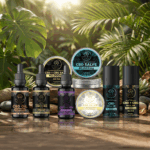
 Tinctures
 Salves
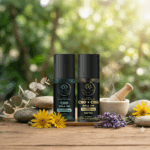 Roll-ons
 Edibles (only availabel online)
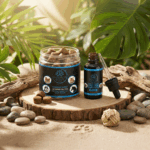 Pets
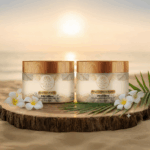 Skin Care
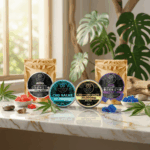 Samples
 Best Sellers